
Top 5 Food Base Oils — Which to use & when
Choosing the right base oil changes flavour, nutrition and cooking results. Below are five widely-used cooking oils, with smoke points, flavour profiles, best uses, health notes and a quick recipe idea to try.
1. Extra-Virgin Olive Oil

Best for: dressings, finishing, low-to-medium heat sautés, Mediterranean cooking. Extra-virgin olive oil (EVOO) is prized for its flavor and polyphenols. Use lighter/refined olive oils for higher-heat cooking.
- Health note: high in monounsaturated fats and antioxidants.
- Storage: keep in a cool, dark place; use within months after opening for best flavor.
2. Canola (Rapeseed) Oil

Best for: frying, baking, general-purpose cooking where you don't want flavour interference. Canola oil has a neutral taste and a favorable fatty acid profile (low saturated fat).
- Health note: good balance of mono- and polyunsaturated fats; many brands offer high-oleic versions.
- Storage: stable at room temperature; keep sealed.
3. Sunflower Oil (High-oleic)
Best for: deep-frying, high-heat frying, baking and food manufacturing. Choose high-oleic sunflower oil for better heat stability and healthier fat profile.
- Health note: refined versions are low in flavour but high-oleic types are more stable and heart-friendly.
- Storage: keep away from light and heat to prevent rancidity.
4. Coconut Oil
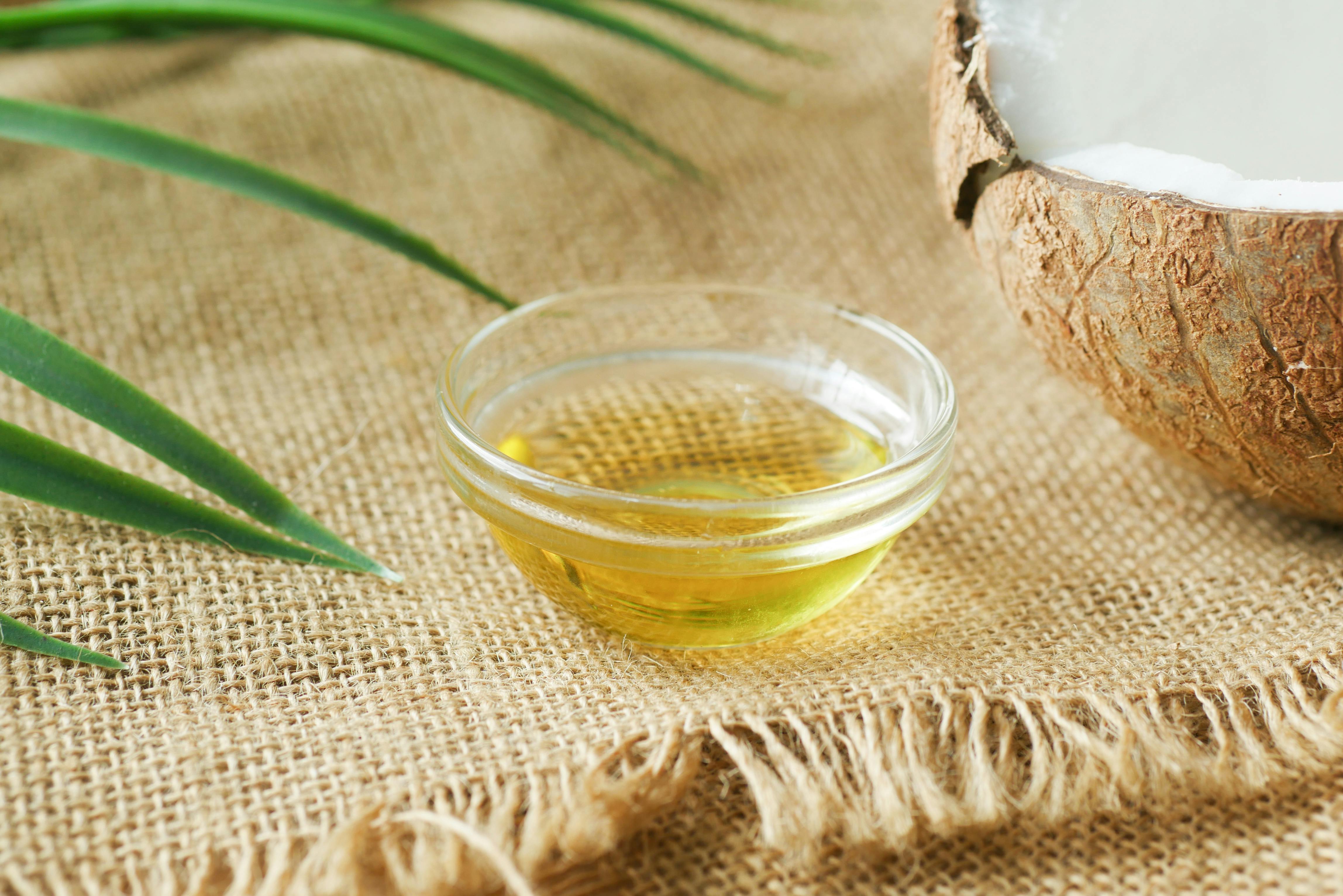
Best for: baking, tropical recipes, medium-heat sautéing and when you want a coconut aroma. Virgin coconut oil gives flavor; refined gives a neutral profile and higher smoke point.
- Health note: high in saturated fat — use in moderation and for flavour-specific dishes.
- Storage: solid at room temp in cooler climates; store in a cool pantry.
5. Avocado Oil
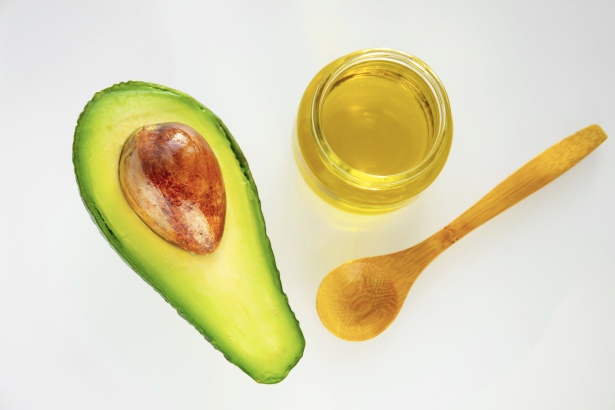
Best for: high-heat searing, roasting, grilling and salad dressings (unrefined). Avocado oil is extremely heat-stable and has a pleasant, mild flavor.
- Health note: rich in monounsaturated fats and vitamin E.
- Storage: keep in a cool, dark place; unrefined varieties have a shorter shelf life.