
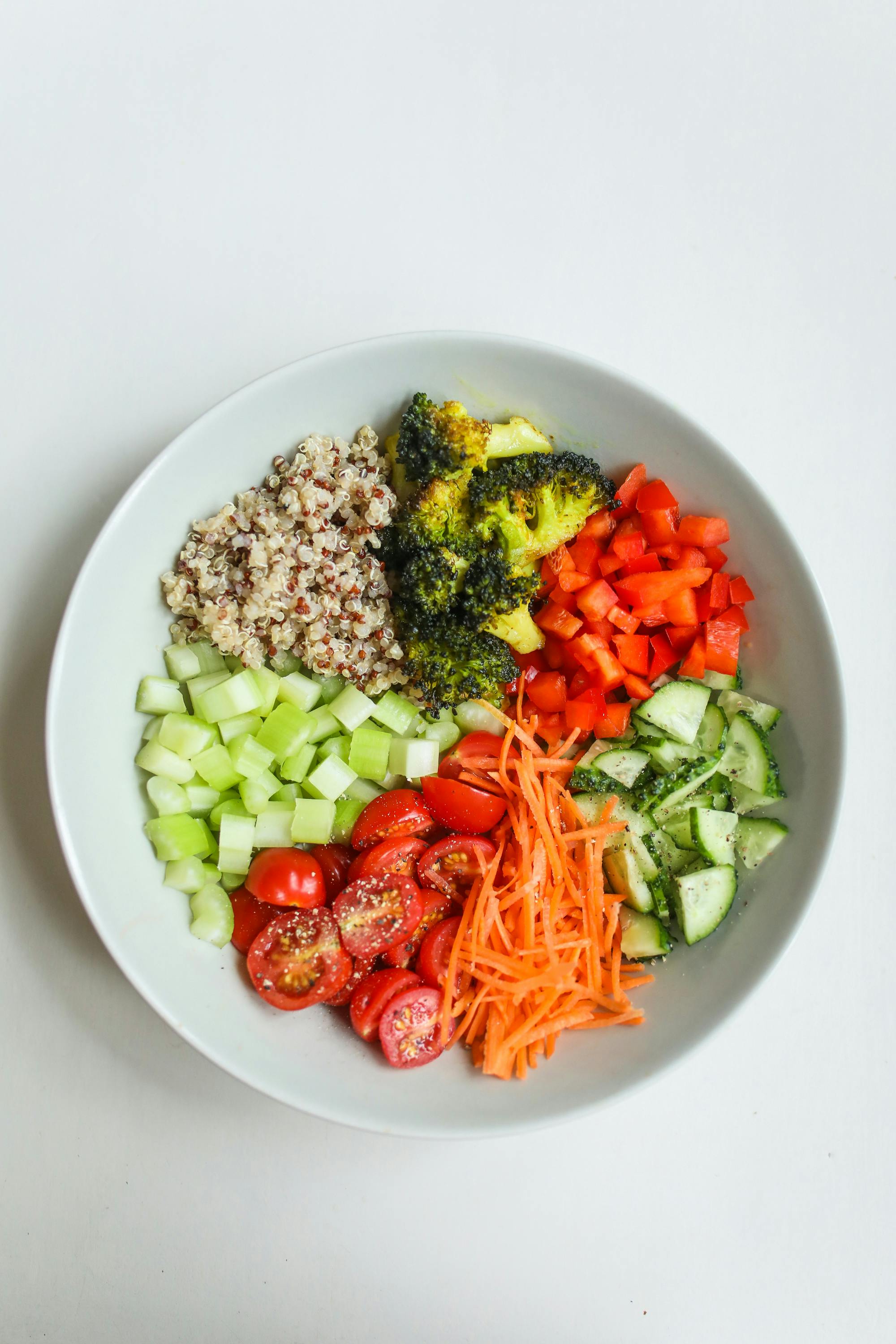
Plant-based foods have moved from niche shelves to mainstream menus. What started as a moral or dietary choice is now a global shift driven by health trends, climate concerns, innovation, and — most importantly — delicious food. Here’s a friendly guide to why plant-based eating matters and easy ways to enjoy more plants without losing flavor.
Why plant-based foods are booming
Several things came together to push plant-based foods onto center stage:
- Health awareness: People are more conscious of whole-food diets, fiber, and plant proteins.
- Environmental concerns: Plant-forward diets are often positioned as lower-impact than heavy animal-based diets.
- Innovation: Better meat alternatives, dairy-free cheeses, and creative plant snacks have improved taste and texture.
- Accessibility: Restaurants and supermarkets now carry more plant-based options, making it easy to try.
Different ways people go plant-based
No animal products at all — a lifestyle + diet for many.
Excludes meat but may include dairy/eggs.
Mostly plants, occasional meat — popular for long-term sustainability.
Focus is on making plants the star of the plate rather than eliminating other foods completely.
How to enjoy plant-based eating (without feeling restricted)
Start by thinking in swaps and additions — not restrictions. Here are practical tips to make your meals tastier:
- Boost texture: Roast chickpeas, caramelize onions, or pan-sear tofu for contrast.
- Use umami: Nutritional yeast, miso, tamari, sundried tomatoes or mushrooms add savory depth.
- Balance macronutrients: Combine legumes, whole grains, nuts and seeds so meals feel filling.
- Spice it up: Fresh herbs, citrus, fermented condiments and spices keep dishes exciting.
Quick recipe ideas to get started
1. 15-minute Chickpea Stir & Rice
Ingredients: canned chickpeas, garlic, onion, mixed veg, soy/tamari, lemon, cooked rice.
Method: Sauté aromatics, add veg and chickpeas, splash tamari and lemon, serve over rice with fresh herbs.
2. Creamy Coconut Lentil Curry
Ingredients: red lentils, coconut milk, curry paste, tomatoes, spinach.
Method: Simmer lentils with tomatoes and paste until soft, stir in coconut milk and spinach. Serve with flatbread.
Staples to keep in your pantry
Stock these for fast, plant-forward meals:
- Legumes (chickpeas, lentils, black beans)
- Whole grains (brown rice, quinoa, oats)
- Nuts & seeds (almonds, peanuts, chia, flax)
- Fermented condiments (soy sauce/tamari, miso)
- Flavor boosters (garlic, onion, lemon, fresh herbs, spices)
Common questions — quick answers
Will I miss protein? Not if you combine legumes, nuts, seeds, and whole grains — many plant-based diets meet protein needs easily.
Is plant-based always healthy? Not necessarily — processed plant-based junk food exists. Focus on whole foods most of the time.
Final thoughts
The rise of plant-based foods is less about strict labels and more about choices: better flavors, more sustainable habits, and healthier plates. Try one plant-first meal a day, experiment with new ingredients, and you'll find creative ways to make plants the highlight of your kitchen.